When Foundation Lifting Is a Better Option Than Repair
When foundation lifting is a better option than repair, local contractors can safely elevate and stabilize your foundation to prevent future damage and maintain your home's value.
If your property shows signs of uneven floors, cracked walls, or sticking doors, understanding when foundation lifting is a better option than repair can help you make informed decisions. Property owners in the area often explore this topic because it relates directly to maintaining the stability and safety of their homes or buildings. Recognizing the right circumstances for foundation lifting can prevent further damage and provide a more effective solution for addressing significant foundation issues. Local contractors who specialize in foundation lifting have the experience to evaluate these situations and recommend the most appropriate approach, ensuring that property owners get the best possible outcome.
Continuing to read can provide clarity on how foundation lifting differs from traditional repair methods and when it might be the preferred choice. For those dealing with persistent or severe foundation problems, understanding the benefits of lifting can lead to more durable and long-lasting results. Local service providers are equipped to handle these projects, offering tailored solutions based on the specific needs of each property. Exploring this topic further can help property owners identify the right course of action and connect with experienced professionals who can handle foundation lifting safely and effectively.
- **Uneven floors** - when floors are significantly sloped or cracked, foundation lifting can stabilize the structure more effectively than traditional repair methods.
- **Wall cracks and bowing** - when cracks or bowing walls are caused by foundation settlement, foundation lifting from local contractors can restore alignment without extensive wall repair.
- **Basement or crawl space issues** - when moisture or water intrusion is linked to shifting foundations, foundation lifting can relevel the home to reduce ongoing problems.
- **Structural instability** - when a property shows signs of shifting or tilting, foundation lifting offers a way to realign the entire structure instead of patching individual damages.
- **Persistent settling problems** - when a home continues to settle over time despite repairs, foundation lifting from local service providers can provide a long-term solution.
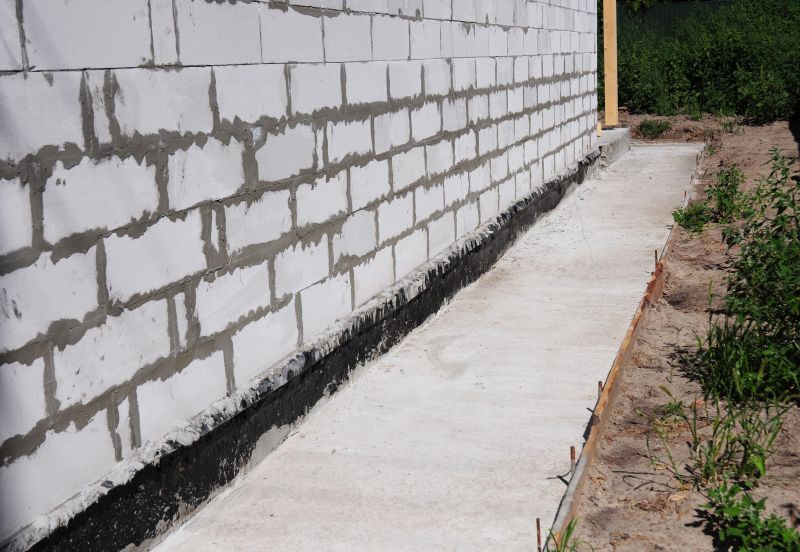

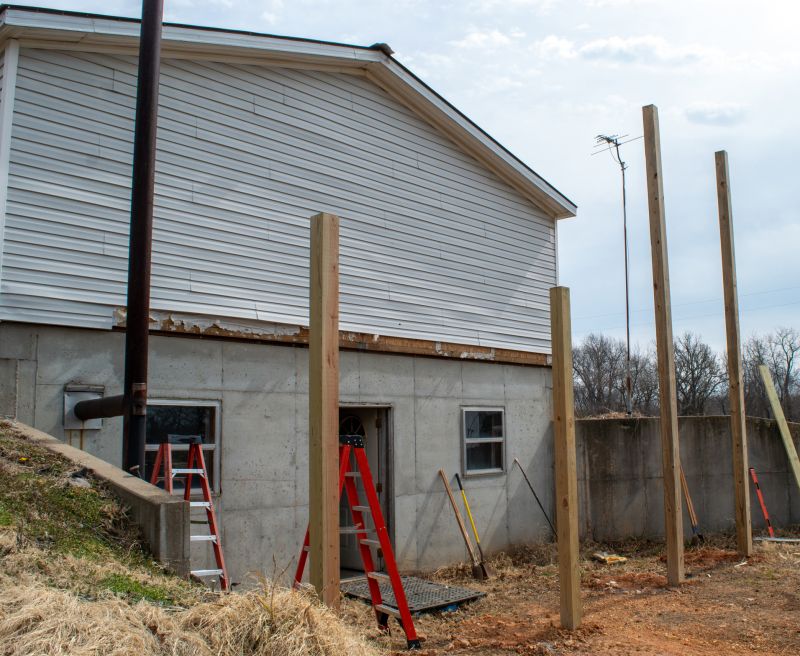
When homeowners search for information about foundation work, they often want to understand whether lifting the foundation is necessary or if repair methods will suffice. Typically, people explore this topic when they notice signs of foundation issues, such as uneven floors, cracked walls, or sticking doors and windows. The key distinction lies in whether the foundation has shifted significantly or if the problems are caused by minor settling or superficial damage. When foundation lifting is a better option than repair, it usually involves addressing more severe or ongoing issues that threaten the structural integrity of the property. Understanding this helps homeowners evaluate whether a more comprehensive solution, like lifting, is appropriate to restore stability and prevent future damage.
This approach is most relevant for properties experiencing substantial foundation movement that results in noticeable structural problems. Commonly, these are residential homes with basements or crawl spaces that have shifted unevenly over time. In such cases, the foundation may have settled unevenly, causing sloped floors, cracks in walls, or misaligned door and window frames. Foundation lifting aims to realign and stabilize the entire structure, rather than just addressing surface-level cracks or cosmetic concerns. When these symptoms are present, it indicates that a more aggressive intervention-such as foundation lifting-may be necessary to restore the property’s original position and prevent further deterioration.
The types of properties that typically come up in discussions about foundation lifting include older homes, especially those built on expansive clay soils or unstable ground. These properties often experience more pronounced movement due to soil conditions that expand and contract with moisture levels. Additionally, homes in areas prone to shifting or with a history of soil-related issues are more likely to require foundation lifting. Commercial buildings or multi-family residences may also need this service if they show signs of significant foundation settlement. In all cases, local contractors experienced in foundation lifting can evaluate whether the severity of the problem warrants lifting versus other repair techniques, ensuring that the property’s stability is effectively restored.
Understanding when foundation lifting is a better option than repair helps homeowners make informed decisions about their property’s needs. Local service providers who specialize in foundation lifting can assess the extent of foundation movement and recommend the most appropriate solution. While repairs might be suitable for minor cracks or surface issues, lifting is often necessary when the foundation has shifted enough to cause structural instability or safety concerns. By connecting with local pros, homeowners can explore options that best address their specific situation, ensuring the long-term stability and safety of their property. This approach emphasizes the importance of professional evaluation to determine whether lifting is the right course of action, rather than relying solely on cosmetic fixes or superficial repairs.
Soil stabilization projects involve techniques that improve ground stability, sharing skills and tools used in foundation lifting to address uneven settling or shifting soils.
Pier and beam foundation repairs require similar planning and equipment as foundation lifting, especially when adjusting or supporting existing structures.
Concrete slab leveling utilizes hydraulic jacks and precision assessments akin to foundation lifting methods to correct uneven slabs.
Basement or crawl space underpinning involves lifting and reinforcing foundations, making the expertise applicable when foundation lifting is considered over repair.
Retaining wall stabilization projects often involve soil and structural assessments similar to those in foundation lifting scenarios to prevent further shifting.
Structural reinforcement for settling foundations shares techniques and planning processes with foundation lifting, especially when addressing underlying causes of unevenness.
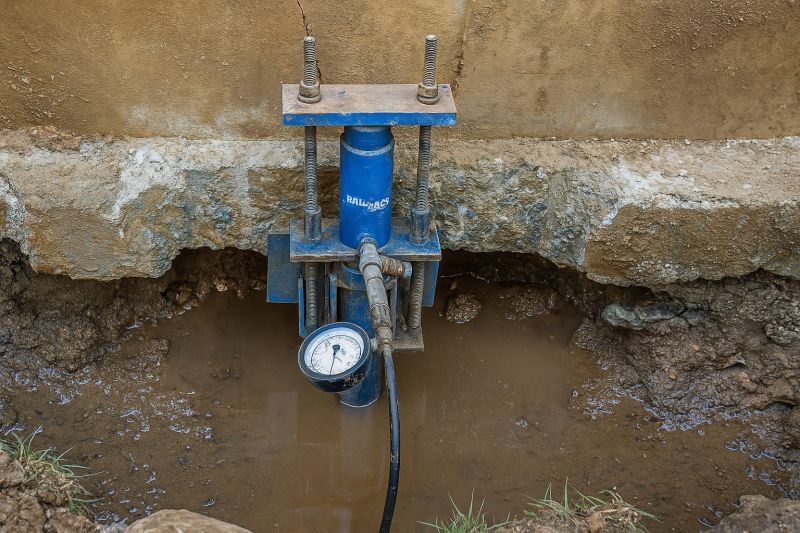
When evaluating foundation lifting services, it is important to consider the experience of local contractors with similar projects. Homeowners should inquire about the types of foundation issues the service providers have addressed in the past and whether they have successfully completed projects comparable in scope and complexity. An experienced contractor is more likely to understand the nuances of foundation lifting techniques and to recognize when this approach is appropriate compared to traditional repair methods. This familiarity can contribute to a more accurate assessment of the situation and help ensure the chosen solution effectively addresses the foundation concerns.
Clear written expectations are essential when comparing foundation lifting options. Reputable service providers should be able to provide detailed explanations of the process, including what the work entails, potential outcomes, and any limitations or risks involved. Having this information in writing helps homeowners understand what to expect and reduces the likelihood of misunderstandings. It also allows for better comparison between different contractors, ensuring that the scope of work and the projected results align with the homeowner’s goals and the specific needs of the property.
Reputable references and good communication are key factors to consider when selecting service providers for foundation lifting. Local contractors with positive references from previous clients can offer insights into their professionalism, reliability, and quality of work. Additionally, a contractor who communicates clearly and promptly demonstrates a commitment to transparency and customer service. Good communication ensures that homeowners can ask questions, express concerns, and receive timely updates throughout the project, fostering a smoother experience and increasing confidence that the foundation lifting process will be handled competently and responsibly.
Property owners often search for when foundation lifting is a better option than repair when they are planning practical projects around their homes and businesses. Local pros provide Foundation Lifting services for everyday jobs and straightforward project options.
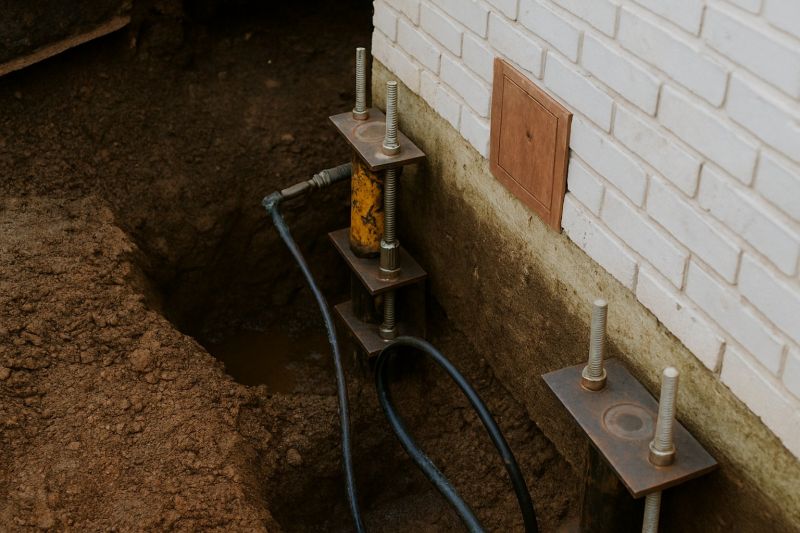

When homeowners notice uneven floors, sticking doors, or cracks in walls, they often wonder whether foundation repair or foundation lifting is the right solution. In many cases, when the foundation has settled significantly or unevenly, foundation lifting can be a more effective option to restore levelness and stability without extensive repair work. Property owners in the area might look into foundation lifting services from local contractors because it can provide a more precise correction for specific types of foundation issues, especially when the goal is to lift and stabilize rather than patch or reinforce.
Situations where foundation lifting is a better choice than repair typically involve minor to moderate settlement that has caused noticeable structural shifts. When the foundation has sunk unevenly or shifted due to soil movement, lifting the foundation can help realign the structure and prevent further damage. Local service providers who specialize in foundation lifting can evaluate these conditions and recommend the most appropriate approach to restore the property’s stability. This approach is often preferred when the goal is to correct the foundation’s position directly, rather than addressing symptoms with patchwork or reinforcement methods.
When is foundation lifting a better option than repair? Foundation lifting is typically a better option when the foundation has experienced uneven settlement or minor to moderate sinking that can be leveled without extensive reconstruction, and local contractors can usually restore stability more efficiently than traditional repair methods.
How can I tell if foundation lifting is suitable instead of repair? Signs like uneven floors, cracked walls, and sticking doors may indicate the need for foundation lifting, especially if these issues are caused by shifting soil; local service providers can evaluate whether lifting is appropriate based on the extent of the problem.
What types of foundation issues are better addressed with lifting rather than repair? Foundation lifting is often preferred for issues involving differential settlement or slight to moderate sinking, where realigning the foundation can resolve structural concerns more effectively than patching or reinforcement alone.
Can foundation lifting fix problems caused by soil movement? Yes, foundation lifting can correct issues caused by soil movement, such as expansive or shifting soils, by raising and stabilizing the foundation, a service typically performed by local contractors experienced in soil-related foundation challenges.
When should foundation lifting be considered over traditional repair methods? Foundation lifting should be considered when the foundation has settled unevenly but remains structurally sound enough for realignment, making it a practical alternative to more invasive repair options handled by local service providers.
Assessing foundation movement - property owners can evaluate signs of uneven floors or cracked walls to determine if foundation lifting is needed instead of repairs.
Considering soil conditions - understanding soil stability issues can help decide when foundation lifting may provide a more effective long-term solution with local contractors.
Addressing significant settling - when a foundation has experienced substantial sinking, foundation lifting can restore stability without extensive repair work.
Planning for future stability - property owners can work with local service providers to explore foundation lifting as a proactive approach to prevent ongoing issues.
If you are thinking about when foundation lifting is a better option than repair for a property, this guide is meant to help you understand this topic, the typical project types, and how different options might fit your plans.
When you are ready, you can use the quote form on this page to share a few details about your project. From there, local pros can review the basics and follow up with options that match what you have in mind.