What Causes Foundations to Sink or Settle Over Time
Foundation lifting professionals can assess and correct issues caused by soil shifting or settling that lead to foundation sinking or unevenness over time.
Understanding what causes foundations to sink or settle over time is essential for property owners who want to protect their investment and maintain structural integrity. Foundations can shift gradually due to a variety of practical reasons, such as soil movement, changes in moisture levels, or inadequate initial construction. Recognizing the signs early and knowing the common factors behind settlement can help homeowners and property managers make informed decisions about potential repairs or preventative measures. Exploring this topic is a proactive step toward ensuring a safe, stable foundation, and local contractors specializing in foundation lifting can provide the expertise needed to address these issues effectively.
For those in the area experiencing uneven floors, cracks in walls, or other signs of foundation movement, understanding the root causes can clarify the importance of professional intervention. Soil conditions, water drainage problems, and natural settling are frequent contributors to foundation sinking over time. Fortunately, experienced local service providers who specialize in foundation lifting and stabilization have the skills to assess the situation and recommend appropriate solutions. Continuing to explore this topic can help property owners connect with the right local experts who can help restore stability and protect the long-term health of their structures.
- Foundation lifting - needed when shifting soil causes uneven settling, and local contractors use techniques like underpinning to stabilize and lift the foundation.
- Soil stabilization - required when loose or expansive soils lead to sinking, with service providers improving soil conditions before lifting the foundation.
- Piering and underpinning - necessary when foundation settlement results from poor soil support, and local pros install piers to evenly lift and support the structure.
- Mudjacking and slab jacking - used when concrete slabs or foundation sections sink due to soil erosion, with specialists injecting materials to raise and stabilize the foundation.
- Drainage correction - important when improper drainage causes water accumulation and soil shifting, with local contractors addressing grading and drainage to prevent further settling.
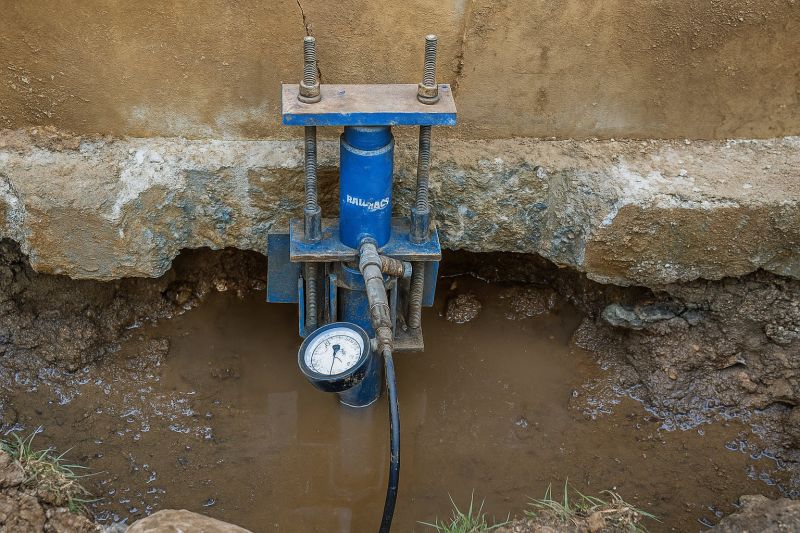

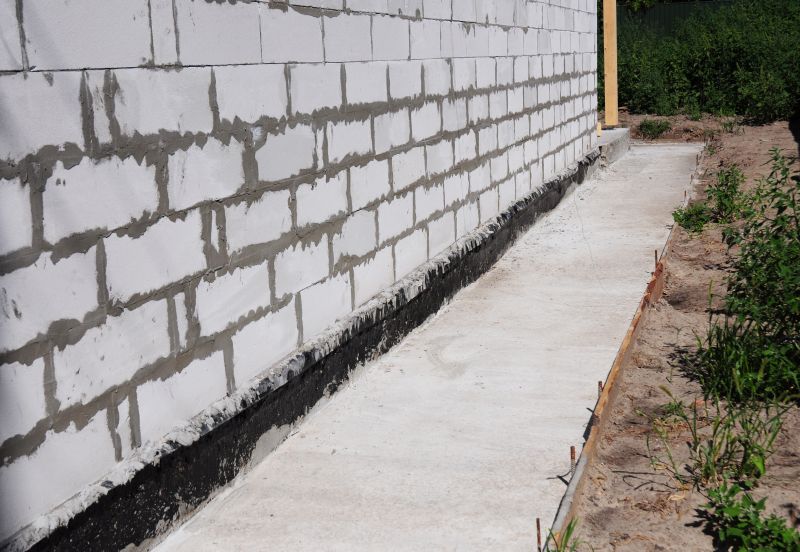
When people search for what causes foundations to sink or settle over time, they are usually trying to understand why their property’s foundation has shifted or become uneven after initial construction. This concern often arises when homeowners notice cracks in walls, uneven floors, or doors and windows that no longer close properly. These signs can indicate underlying issues with the foundation’s stability, prompting questions about the root causes. Understanding these causes helps homeowners determine whether repairs are needed and what kind of solutions might be appropriate to restore the property’s stability.
This topic is closely related to problems that develop gradually, often due to changes in moisture levels, soil conditions, or structural loadings. Many property owners consider foundation repair or stabilization projects, such as foundation lifting, to address these issues. These projects aim to correct uneven settling, prevent further damage, and maintain the integrity of the building. Whether the property is a residential home, a commercial building, or an older structure undergoing renovation, understanding the causes of foundation settlement is essential for planning effective repairs and avoiding costly future problems.
Properties that typically come up in discussions about foundation settling include those built on clay soils, which are prone to significant expansion and contraction with moisture changes. Homes with poor drainage, inadequate soil compaction, or those located in areas with high water tables are more vulnerable to shifting foundations. Older properties with original construction that didn’t account for soil movement may also be at higher risk. These types of properties often require assessment and intervention from local contractors who specialize in foundation stabilization, including foundation lifting services, to address ongoing settlement issues.
Understanding what causes foundations to sink or settle over time helps homeowners connect the dots between initial construction, soil conditions, and ongoing property maintenance. Local contractors who offer foundation lifting and stabilization services play a crucial role in diagnosing the specific causes of settlement and providing tailored solutions. These professionals can assess the property’s unique conditions, recommend appropriate repairs, and help restore the foundation’s stability. Properly addressing foundation settlement not only preserves the value of the property but also ensures its safety and long-term durability.
Soil Stabilization Projects - These projects involve strengthening or improving soil conditions, which is closely related to understanding what causes foundations to sink or settle over time and how to prevent it.
Retaining Wall Installations - Proper planning and soil analysis are essential for retaining wall projects, making them relevant for those interested in foundation stability and settlement issues.
Drainage System Installations - Effective drainage helps manage soil moisture levels, a key factor in foundation settlement, and requires similar expertise as foundation lifting services.
Basement Waterproofing - Waterproofing projects address soil and water conditions that can cause foundation movement, aligning with skills used in foundation stabilization.
Underpinning and Piering - These techniques are directly related to foundation lifting services and are used to correct settling foundations caused by soil-related issues.
Site Preparation and Excavation - Proper site prep involves assessing soil stability and planning for future foundation support, sharing skills relevant to preventing or addressing foundation settlement.
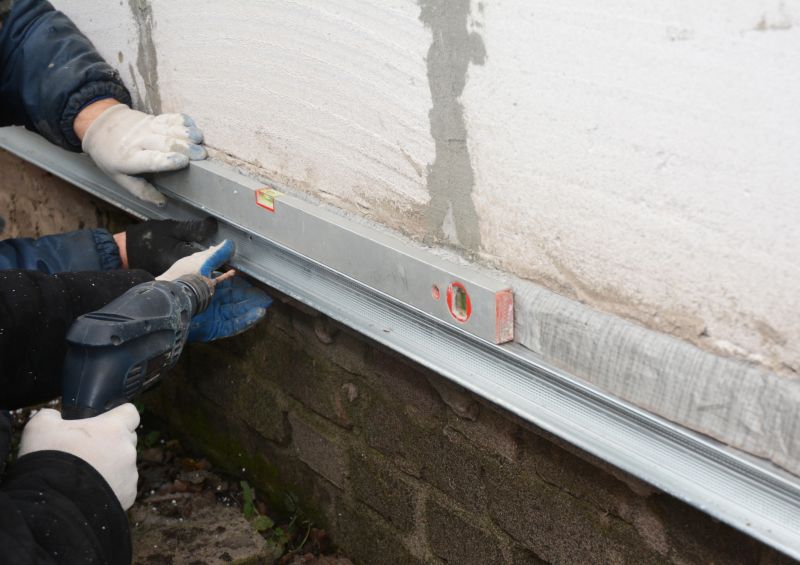
When comparing service providers for foundation lifting, it is important to consider their experience with similar projects. Homeowners should seek out local contractors who have a proven track record of addressing issues related to foundation settlement and sinking. An experienced professional will have encountered a variety of soil conditions and foundation types, which can influence the approach and effectiveness of the lifting process. Verifying the background of local pros in handling comparable cases can help ensure the selected contractor is well-equipped to manage the specific challenges presented by the property.
Clear written expectations are essential when evaluating foundation lifting services. Homeowners should look for detailed proposals that outline the scope of work, methods to be used, and the anticipated outcomes. Transparent communication about what the project entails helps prevent misunderstandings and sets realistic expectations. Reputable contractors will provide comprehensive descriptions of their approach, which can serve as a basis for comparison and decision-making. Ensuring that all aspects of the project are clearly documented also facilitates smoother collaboration and accountability.
Reputable references and good communication are key factors to consider in selecting local service providers. Homeowners are encouraged to seek out reviews or testimonials from previous clients who faced similar foundation issues. Listening to feedback about the contractor’s professionalism, clarity, and responsiveness can offer insights into their reliability. Additionally, establishing open lines of communication early on helps ensure questions are answered, concerns are addressed, and the project proceeds smoothly. Choosing a contractor known for clear, consistent communication and positive references can contribute to a more confident and satisfactory experience with foundation lifting services.
Property owners often search for what causes foundations to sink or settle over time when they are planning practical projects around their homes and businesses. Local pros provide Foundation Lifting services for everyday jobs and straightforward project options.
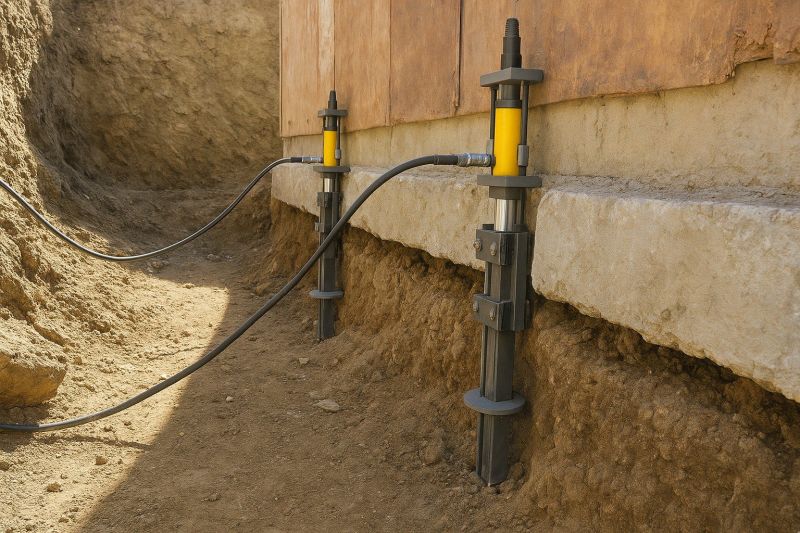

Foundations can begin to sink or settle over time due to a variety of common, everyday factors. One frequent cause is changes in the soil beneath a property, such as soil becoming overly dry or wet, which can lead to shrinking or expanding soils that shift the foundation's position. Additionally, natural soil processes like erosion or compaction can gradually affect stability, especially in areas with loose or unstable ground. Property owners noticing uneven floors, cracks in walls, or doors that no longer close properly might consider consulting local contractors who specialize in foundation lifting to evaluate and address these issues.
Other typical reasons for foundation settlement include poor initial construction practices, such as inadequate foundation depth or improper soil preparation before building. Over time, the weight of the structure itself can also contribute to settling, particularly if the soil wasn't properly compacted or if there are ongoing issues with drainage around the property. When signs of foundation movement appear, many property owners turn to local service providers who offer foundation lifting solutions, helping to restore stability and prevent further settling.
What are common causes of foundation settlement over time? Foundation settlement often results from soil movement due to moisture changes, such as expansion when wet and shrinking when dry, which can lead to uneven sinking. Additionally, poor soil compaction or natural soil settling can cause foundations to shift gradually. Local contractors experienced in foundation lifting can assess these issues and recommend appropriate solutions.
How does soil type influence foundation sinking? Different soil types, like clay or sandy soils, react differently to moisture fluctuations, increasing the risk of settlement. Clay soils tend to expand and contract significantly, while sandy soils may shift more easily under load. Foundation lifting specialists can evaluate soil conditions and determine the best approach to stabilize the foundation.
Can plumbing leaks cause foundations to settle? Yes, leaking or broken underground plumbing can lead to soil erosion or increased moisture in the soil beneath a foundation, which may cause it to sink or settle unevenly. Local pros can identify and repair plumbing issues that contribute to foundation movement, helping to prevent further settling.
What role does poor drainage play in foundation settlement? Poor drainage around a property can cause excess water to accumulate near the foundation, weakening the soil and leading to settlement over time. Proper drainage solutions installed by experienced contractors can help mitigate this risk and support foundation stability.
How can foundation lifting services address foundation settling issues? Foundation lifting services can stabilize and raise a sinking foundation by correcting uneven soil conditions and reinforcing the structure. Local service providers use various techniques to restore the foundation’s original position and help prevent future settling problems.
Soil erosion and moisture loss - understanding how changes in soil moisture can cause foundations to sink helps property owners plan proper drainage and watering strategies with local contractors.
Poor drainage and improper grading - ensuring proper land grading prevents water from pooling around the foundation, reducing settling risks handled by local service providers.
Expansive clay soils - recognizing soil types that expand and contract guides property owners to seek foundation stabilization or lifting services from local experts.
Foundation design and construction flaws - identifying construction issues early allows property owners to work with local contractors to address settling problems through foundation lifting solutions.
If you are thinking about what causes foundations to sink or settle over time for a property, this guide is meant to help you understand this topic, the typical project types, and how different options might fit your plans.
When you are ready, you can use the quote form on this page to share a few details about your project. From there, local pros can review the basics and follow up with options that match what you have in mind.